Who Taught Us What a "Fit Woman" Looks Like?
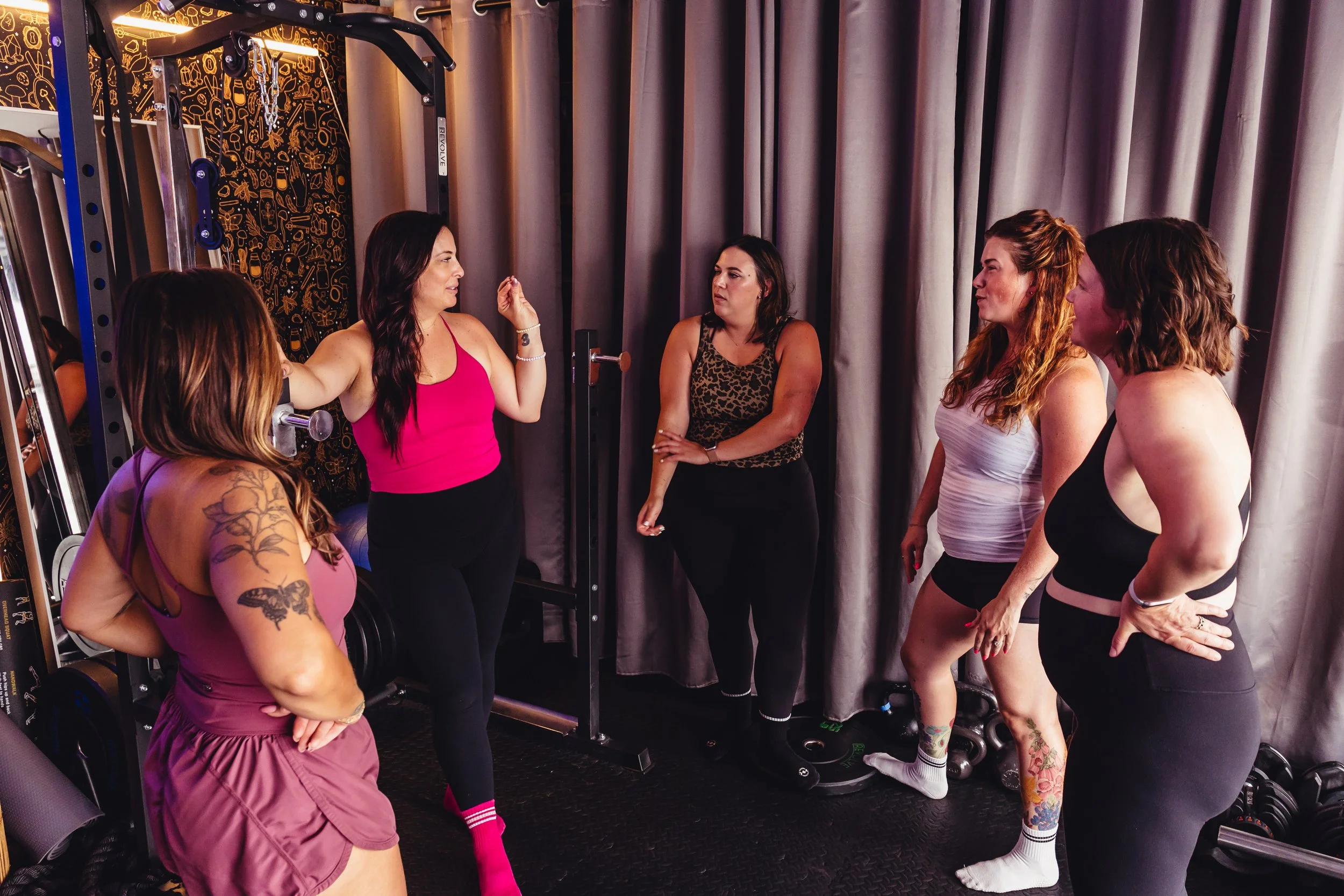
Over the years, I've heard countless women say the same thing:
"I just want to look fit."
What always struck me, was that many of these women were already doing the things we'd typically associate with being "fit."
They were strength training.
They were prioritizing their health.
They were taking care of themselves.
They were showing up consistently.
From my perspective as their coach, they were already fit women. But they didn't see themselves that way.
That realization stayed with me.
It made me wonder...
Where did we learn what a "fit woman" looks like?
Who taught us that?
What shaped the image that so many of us carry around, in our heads?
I was born in 1984.
When I think back to the images I was surrounded by, I remember Jane Fonda workout tapes, Denise Austin, Cindy Crawford, fitness magazine covers, and advertisements featuring women who were overwhelmingly young, thin, white, and able-bodied.
As the decades changed, so did the hairstyles, workout clothes, and fitness trends.
But one thing remained surprisingly consistent.
“The image.”
In the 1990s and early 2000s, extremely thin bodies were often celebrated as the beauty ideal. Fitness marketing frequently reinforced the idea that being "fit" meant looking lean, toned, and youthful.
Fast forward to today.
Search "fit woman" on Google or Pinterest.
You'll still find many of the same patterns.
Visible abs.
Lean bodies.
Mostly young women.
Mostly white women.
Mostly cisgender women.
There is nothing wrong with these women.
They absolutely belong in fitness spaces.
But somewhere along the way, one image became the dominant image of fitness.
And that's worth asking questions about.
Our ideas about fitness don't develop in isolation.
They're shaped by the media we consume
The advertisements we see
The magazine covers we grew up with
The workout videos we watched
And the broader beauty standards that surround us
As feminist scholars have argued for decades, beauty ideals are never just about appearance. They also communicate ideas about femininity, desirability, and whose bodies are valued and celebrated.
If we're repeatedly shown one type of body as the symbol of fitness, it shouldn't surprise us that many of us begin to believe that's what fitness is supposed to look like.
But what does that belief cost us?
If we believe fitness only looks one way...
How many women delay walking into a gym because they don't feel like they belong?
How many women dismiss their own strength because they don't have visible abs?
How many women tell themselves,
"I'll finally be a fit woman..."
When I lose weight.
When my stomach is flatter.
When my body looks different.
How many of us have spent years chasing an image instead of celebrating what our bodies are already capable of?
So what if we expanded our definition of a "fit woman"?
Not to exclude anyone.
To include more people.
To make room for the woman rebuilding her strength after having a baby.
The woman lifting for the very first time.
The woman in a larger body.
The woman in her sixties.
The woman whose health can't be measured by appearance alone.
Because fitness was never meant to belong to one body type.
And maybe it's time our definition reflected that.
This is the conversation I want to keep having.
Not to tell you what a fit woman looks like.
But to ask a different question: